24 Hour Emergency Service Provided!
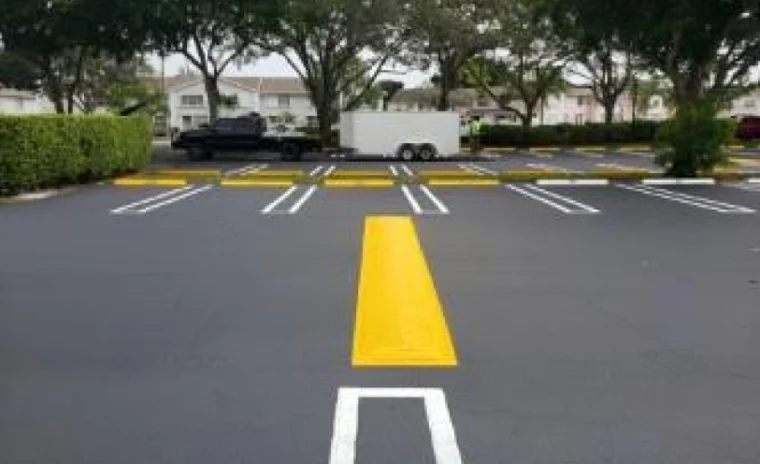
Inspect and Assess Asphalt Condition Before Beginning
Before any sealcoating begins, conduct a thorough inspection of your commercial parking lot to identify existing damage, structural weaknesses, and areas requiring repair. Walk the entire surface during daylight hours, examining the asphalt for cracks wider than a quarter-inch, potholes, oil stains, and areas where the base material shows through. In Loxahatchee and throughout Palm Beach County, the combination of heavy summer rains and intense heat accelerates pavement deterioration, so property managers often discover alligator cracking and base failures near drainage areas and along the perimeter where water pools after afternoon storms.
Document every issue with photos and measurements. Pay close attention to catch basins, curb lines, and high-traffic zones near building entrances where asphalt endures the most stress. Check whether existing striping is faded or damaged, as proper preparation for sealcoating often includes planning for fresh parking lot striping services once the new seal coat cures. Mark problem areas with spray paint or chalk so repair crews can address them systematically. This step prevents expensive callbacks and ensures the sealcoat adheres uniformly across the entire surface.
Coordinate your inspection with any planned updates to pavement markings, including thermoplastic pavement markings or new parking stops installation. Identifying these needs early allows you to schedule all work in a logical sequence, saving time and reducing the number of times traffic must be redirected. An experienced parking lot striping contractor can often spot underlying issues during their assessment that may not be obvious to property staff, offering valuable input on repair priorities before sealcoating begins.
Remove Debris, Oil, and Contaminants from the Surface
Sealcoat adheres only to clean asphalt, so removing every trace of dirt, oil, grease, vegetation, and loose aggregate is non-negotiable. Begin by sweeping the entire lot with a power broom or industrial sweeper to clear gravel, leaves, and debris that accumulate in corners and along curbs. In our region, oak pollen and fine sand blow in steadily during spring months, and property managers who skip a second sweep often find a gritty residue that compromises adhesion.
Next, address oil stains and fuel spills with a degreaser formulated for asphalt. Apply the product according to manufacturer instructions, scrub with a stiff-bristle brush, and rinse thoroughly. Stubborn stains may require a second application or spot treatment with a commercial oil-spot primer designed to prevent bleed-through. Power washing is the most effective method for deep cleaning, delivering pressurized water that lifts embedded grime and prepares the surface for optimal sealcoat bonding. Set the pressure washer to 3,000 PSI or higher and work in overlapping passes, paying extra attention to loading zones, dumpster pads, and areas near kitchen exhaust vents where grease accumulates.
Allow at least 24 hours of dry weather for the asphalt to cure completely after washing. High humidity in Loxahatchee can extend drying time, so check the surface by touch and ensure no moisture remains before crews arrive. Parking lot striping contractors and asphalting services providers both stress that moisture trapped beneath a fresh sealcoat will cause bubbling, peeling, and premature failure, turning a protective treatment into a costly re-do. Schedule cleaning during a stretch of clear weather, and avoid work immediately before predicted rain.
Fill Cracks and Patch Potholes to Restore Structural Integrity
Sealcoating is a protective barrier, not a structural repair, so every crack, pothole, and area of base failure must be addressed before sealing begins. Use a hot rubberized crack filler for cracks wider than a quarter-inch, routing out loose material and debris first to ensure the filler bonds to stable asphalt. Smaller hairline cracks can often be sealed with a liquid crack filler, but anything showing movement or progressive widening requires a more robust solution. In Florida’s climate, where temperature swings are moderate but rainfall is intense, water infiltration through cracks accelerates base erosion and can undermine entire sections of pavement within a single rainy season.
Potholes demand full-depth patching with hot-mix asphalt compacted to match the surrounding grade. Cold patch may be tempting for speed, but it rarely holds up under commercial traffic loads and typically fails within months, creating trip hazards and further deterioration. After patching, allow the repair to cure according to the product’s specifications before applying sealcoat. Rushing this step leaves soft spots that indent under equipment weight, marring the finished appearance and reducing the sealcoat’s protective lifespan.
Coordinate these repairs with any planned updates to parking lot sign installation, concrete parking stops, or thermoplastic striping so that all infrastructure is stable and correctly positioned before sealing. Property managers in Palm Beach County often discover that addressing drainage issues during the repair phase prevents recurring damage, making it worthwhile to consult with a paving contractor or asphalting services provider who can evaluate grading and recommend long-term solutions. Proper repairs not only prepare the surface for sealcoating but extend the interval between future maintenance cycles, delivering measurable cost savings over time.
Ensure the Lot Is Completely Dry and Free of Standing Water
Moisture is the enemy of successful sealcoating, so verifying that your lot drains properly and dries completely is a preparation step that cannot be shortcut. Walk the entire surface after a rainstorm and note any areas where water pools or drains slowly. Low spots, depressions, and areas with inadequate slope collect water that seeps into the asphalt base, weakening the structure and preventing sealcoat from curing uniformly. If you identify persistent ponding, consider minor grading corrections or the installation of additional drainage infrastructure before proceeding with sealcoating.
In Loxahatchee, afternoon thunderstorms are a near-daily occurrence from June through September, and humidity remains elevated even on days without rain. This climate means asphalt takes longer to dry than it would in arid regions, and surface moisture that looks insignificant can cause adhesion failures when sealcoat is applied. Use a moisture meter or the simple hand test: press your palm firmly against the asphalt in several locations, especially shaded areas and low spots. If you feel any coolness or dampness, wait another 12 to 24 hours and retest.
Professional parking lot striping contractors and asphalting services teams typically schedule sealcoating during extended dry periods and avoid work when rain is forecast within 24 hours. Coordinate your preparation timeline with weather forecasts and build in buffer days to account for unexpected showers. Ensuring the surface is bone-dry not only protects your investment in sealcoating but also sets the stage for crisp, durable striping and pavement markings once the sealcoat cures, whether you plan standard paint, thermoplastic pavement markings, or other long-lasting line marking solutions.
Coordinate Sealcoating with Striping and Marking Replacement
Sealcoating transforms the appearance and durability of your lot, but it also erases existing pavement markings, so planning for restriping is an essential part of preparation. Before sealcoat crews arrive, photograph your current layout or request a site plan that documents parking space dimensions, directional arrows, handicap stalls, fire lanes, and any specialized markings such as loading zones or reserved spaces. This documentation ensures the striping company can replicate your layout accurately or implement improvements you have planned, such as adding ADA-compliant spaces or reconfiguring traffic flow.
Coordinate the sequence of work carefully. Sealcoat must cure fully, typically 24 to 48 hours depending on temperature and humidity, before striping begins. Applying paint or thermoplastic pavement markings to uncured sealcoat results in poor adhesion, smudging, and markings that wear away prematurely. In Florida’s heat and humidity, curing times can vary, so consult with your sealcoating and striping contractors to establish a realistic timeline that accounts for weather conditions. Experienced parking lot striping contractors will inspect the surface before beginning work, ensuring the sealcoat has hardened sufficiently to accept markings.
Consider upgrading to thermoplastic striping or preformed thermoplastic markings during the restriping phase. These materials offer superior durability and reflectivity compared to standard paint, especially in high-traffic commercial environments, and they maintain visibility longer between maintenance cycles. If your lot requires new concrete parking stops, street sign installation, or parking lot sign installation, schedule those tasks after sealcoating but before final striping to avoid damage to fresh markings. Proper planning and sequencing ensure every element of your parking lot performs as intended, delivering a polished, functional result that enhances safety, maximizes capacity, and protects your pavement investment for years to come.